
A global enterprise-grade SIP network
Reliable voice calling and PSTN connectivity on a backbone we own, not rent, all at reduced cost. Make the switch from Bandwidth, Twilio, Vonage, and legacy carriers.
Get started in the portal
.png?width=2250&format=webp)
230+countries for international SIP trunking
500M+SIP calls processed monthly
7M+Active phone numbers managed globally






Carrier, not reseller. Most SIP trunking on the market is resold.
Platforms buy capacity from tier-1 carriers, mark it up, and pass the cost and the finger-pointing to you. Every layer between you and the network takes margin and adds a party to blame when something breaks. Telnyx owns the switch. The price, the call quality, and the single point of accountability all trace back to one fact: we are the carrier, not a layer on top of one.
“We’ve ramped from hundreds to hundreds of thousands of calls per day with customers without experiencing any issues from Telnyx. It’s been seamless.”
Benjamin Gleitzman
CTO and Co-Founder
FEATURES
Enterprise Voice
Higher answer rates start at the carrier layer. Because we own the network, your calls go out verified, not blocked, and clear on HD voice.
HD Voice
Wideband codecs including AMR-WB for clearer conversations on both the customer and agent legs.
Branded Calling
Your brand shows up on the recipient's screen, so customers know who is calling before they answer.
STIR/SHAKEN
A-level attestation issued by the carrier, so caller identity is verified end to end rather than inherited.
CNAM
Caller name presentation managed at the carrier layer for consistent, trusted display.
Spam protection
Outbound voice profiles protect your traffic against fraud and spam before it leaves the network.
Voice Integrity
Reputation monitoring and remediation to keep your numbers from being flagged as spam.
Security
End-to-end encryption
Built with security at the core, our infrastructure protects customer data with encrypted, monitored, auditable interactions. It meets the highest industry standards so you can confidently protect data and maintain regulatory compliance.



RESOURCES
Start building
Setup SIP connections in minutes.

SIP trunk setup
Take a look at how to get started with our SIP Trunking APIs. Configure your connections as needed and start making and receiving calls globally in minutes.
Telnyx ranked in G2's 2025 Best Software Awards
Recognized for our powerful APIs, private global network, and unmatched customer support.
Porting away from Twilio
Navigate the voip.ms porting process with ease. Discover key account details and Telnyx's porting procedure.
PRODUCTS
All your communication needs, on infrastructure built for reliability.
.png?width=640&format=webp)
Voice API
Event-driven call control on the switch we operate. WebSocket media streaming for STT, LLM, and TTS. Sub-200ms event delivery from the switch to your AI agent.
Learn more.png?width=640&format=webp)
WhatsApp API
Place and receive WhatsApp voice calls and messages through Telnyx, using the same number and AI workflows you already use. WhatsApp calls connect to Voice API, SIP, TeXML, and AI agents, and messaging connects to your AI agent flows. No new integrations needed.
Learn more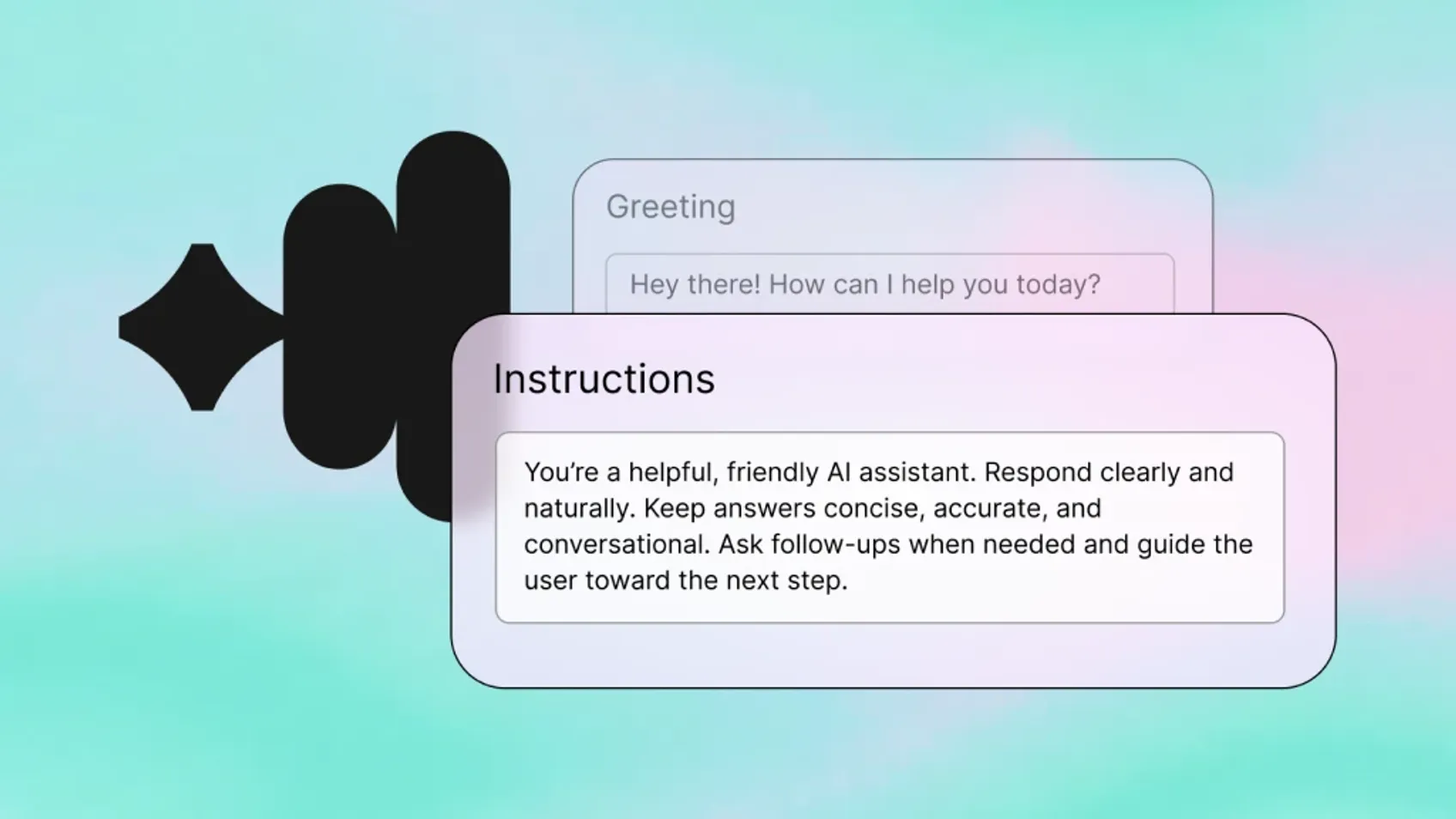
Voice AI Agents
Build and deploy low-latency Voice AI agents in minutes on a full-stack, conversational AI platform. Take control of voices, languages and call flow
Learn more

FAQ
Resources, Docs, Support
Sip Trunks hub
SIP Trunking | Telnyx
Instantly scale voice connections with Elastic SIP Trunking. Experience low-latency, jitter-free calling with no packet loss on our private Tier-1 network.
Get Started with Telnyx SIP Trunking | Telnyx
Telnyx's SIP Trunking Getting Started guide provides all the information you need to get started with SIP trunking. In this guide, you'll learn how to create a Telnyx account, configure your devices, and make calls with SIP trunking.
SIP Quickstart | Telnyx
Telnyx's Developer Portal is the best place to start if you're looking to create a voice application. In this quickstart, you'll learn how to create a new portal and configure your SIP trunking settings.
SIP Trunking Configuration Guides | Telnyx
Telnyx's SIP trunking guide will help you configure your sip devices for use with our service.
Retrieve a phone number with voice settings API | Telnyx
Retrieve a phone number with voice settings
Get all outbound voice profiles API | Telnyx
Get all outbound voice profiles belonging to the user that match the given filters.
Telnyx Blog | CPaas & UCaaS Resources
Find data-driven research, comprehensive guides and all things SIP trunking, voice and SMS APIs, wireless and more.
What is SIP Trunking? Session Initiation Protocol Explained
This SIP Trunking 101 guide will tell you everything there is to know about SIP Trunking, and how to start improving your communications today.
SIP trunking architecture: What is it, and how does it work?
Learn how SIP trunking architecture works so your business can experience advanced communications and connectivity.
Setting up a SIP trunk — A step-by-step guide - Telnyx
Learn how to set up a SIP Trunk in a matter of minutes with Telnyx today.
Everything You Need To Know About Call Origination
Learn about call origination with Telnyx: what it is, how it works, and what to look for in a provider.
SIP Trunk vs PRI | The Clear Winner for Your Business
SIP Trunk vs PRI: Get a complete breakdown of the difference between primary rate interface and session initiation protocol and which is best for business.
SIP vs VoIP — Breaking down the key differences - Telnyx
SIP vs VoIP. While VoIP refers to any internet-based phone service, SIP Trunking refers to a communication protocol that is used for most VoIP.
Telnyx vs. Twilio for Elastic SIP Trunking Comparison
Telnyx and Twilio are both popular providers for Elastic SIP Trunking services, but their products differ in some fundamental ways.
Understanding Inbound SIP Trunking for Your Business [2021]
Understanding inbound and outbound SIP trunking for your business. Pay for the features you need while scaling your call capabilities.
SIP meaning: common terms and definitions
Ever wondered about the origin or meaning of particular SIP terms, acronyms or buzzwords? We shed some light in this blog post.
The Better Twilio Alternative - Telnyx
Switch to Telnyx for a better Twilio alternative. Benefit from our competitive pricing, private global network, and award-winning support.
The best Bandwidth alternative - Telnyx
Looking for a Bandwidth alternative? Compare Telnyx vs. Bandwidth on reliability, pricing, and support. See why Telnyx is the top choice.
How to Configure a SIP Trunk | Telnyx Help Center
Step-by-step guide on setting up a SIP Trunk with Telnyx using a compatible soft phone or system.
Telnyx SIP Trunking Configurations | Telnyx Help Center
Use Telnyx as your voice carrier with the compatible soft phone or pbx of your choice.
SIP protocols that Telnyx uses | Telnyx Help Center
Wondering what SIP transport protocols are used at Telnyx? Find out more here.
SIP Connection | Telnyx Help Center
Guide to SIP connections: AnchorSite® settings, IP authentication, and SIP URI calls.
SIP Connection: Number Formats | Telnyx Help Center
Here we will talk about SIP connections and ANI/DNIS number format control!
Inbound/Outbound Voice | Telnyx Help Center
Inbound/Outbound Voice configuration guideline materials. Start building on Telnyx today.
Migrate To Telnyx From An Existing SIP-Enabled Platform
Bring Your Own Carrier To Telnyx & save money while improving call quality, reporting, & scalability. Works with Twilio, Plivo, Vodia, Elastix, 3CX & More.
VoIP for Small Business | Top Rated VoIP Solution
Find out what makes Telnyx the best VoIP provider, and find the perfect plan for your small business.