









WHY TELNYX
Built for state that lives at the edge
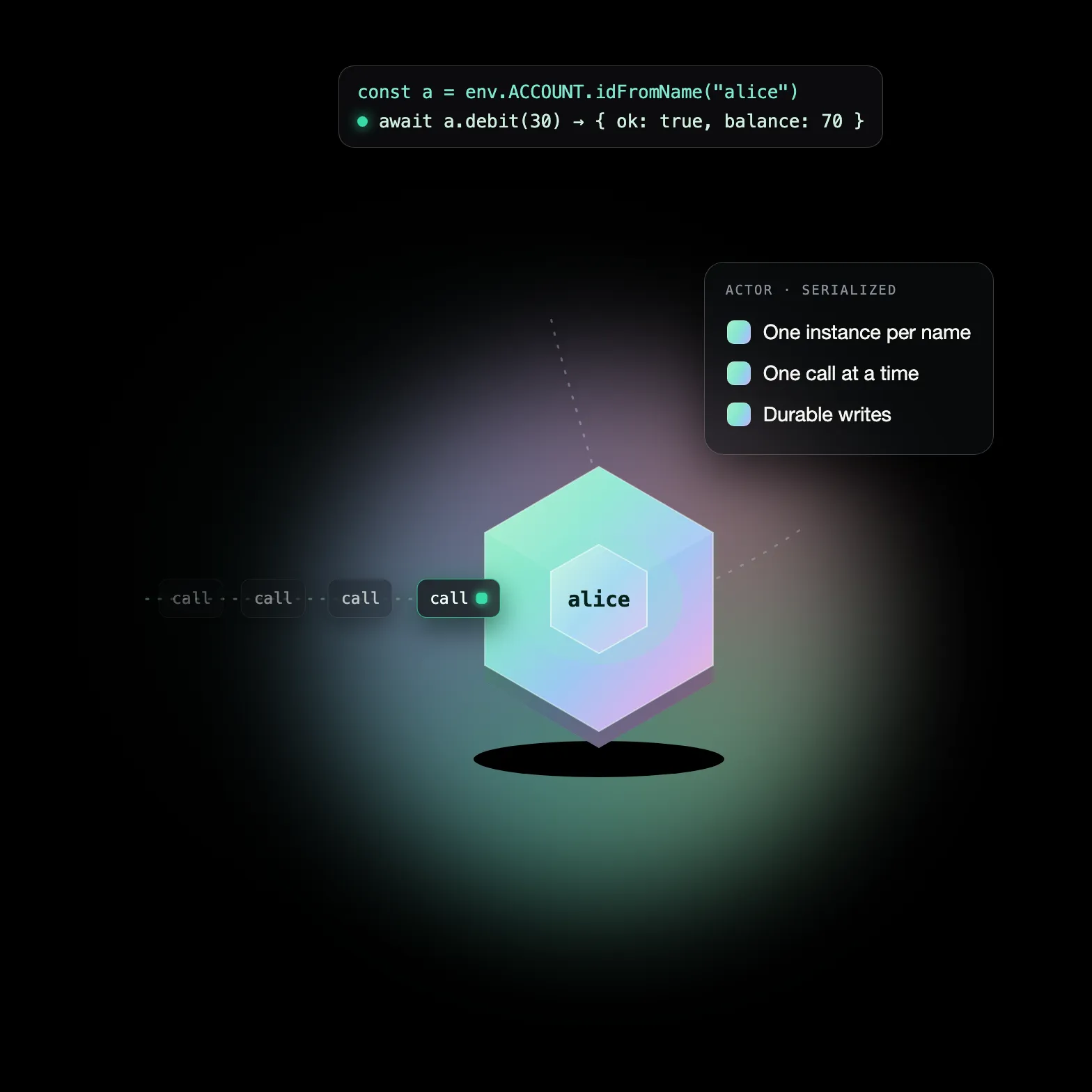
Stateful Actors on Telnyx run colocated with telephony termination, so call-leg and messaging workloads stay where calls land, not in a distant cloud region. That means lower latency for real-time voice and messaging. And actors are part of a broader platform: Functions, KV, Object Storage, and Inference on one account, one API, one bill.
One platform for telecom and compute
Voice, messaging, storage, compute, and inference on a single API. Your application talks to the same infrastructure that carries the call, stores the data, and runs the model. No patchwork of vendors to reconcile.
Private network, not the public internet
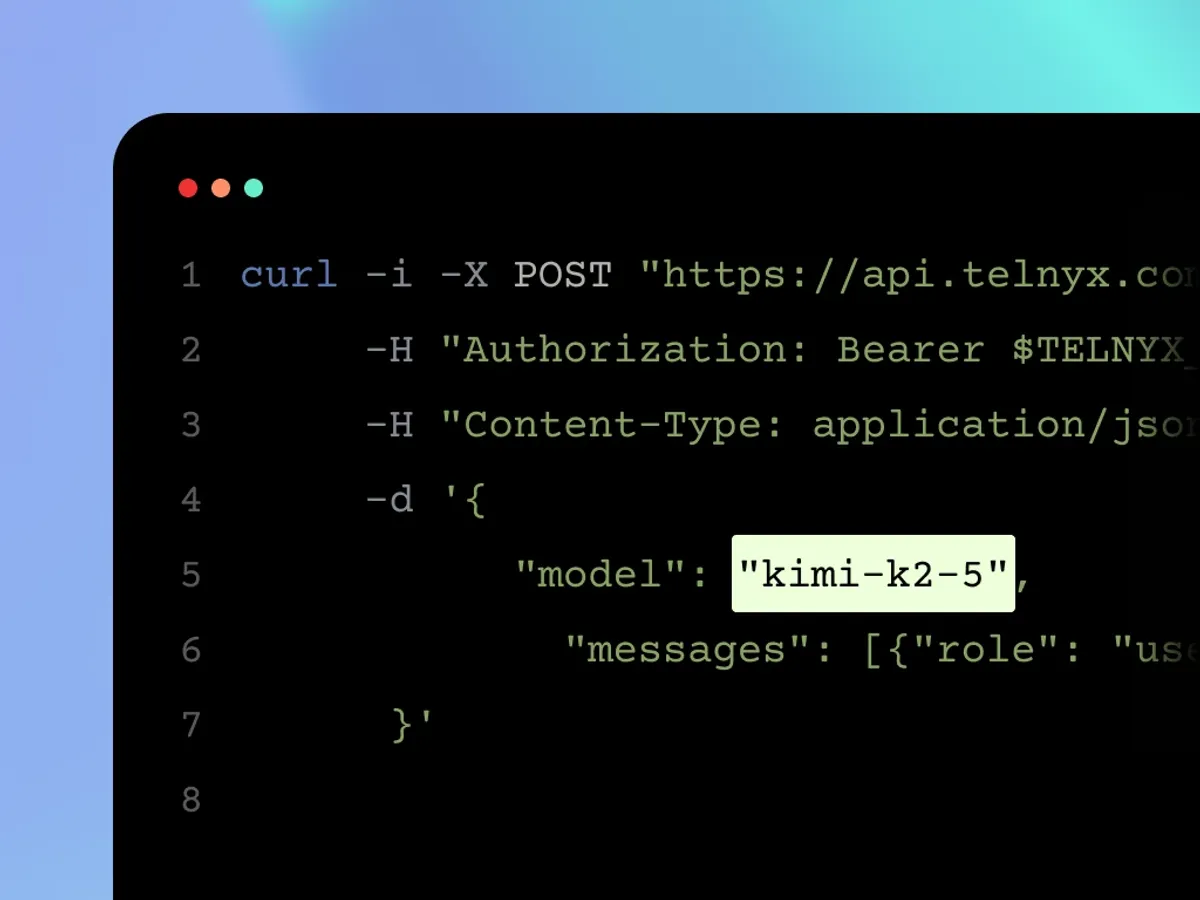
Traffic between your functions, storage, and telephony stays on the Telnyx private network. Lower latency, no exposure to public internet routing, no hop through a third-party cloud.
Carrier-grade reliability
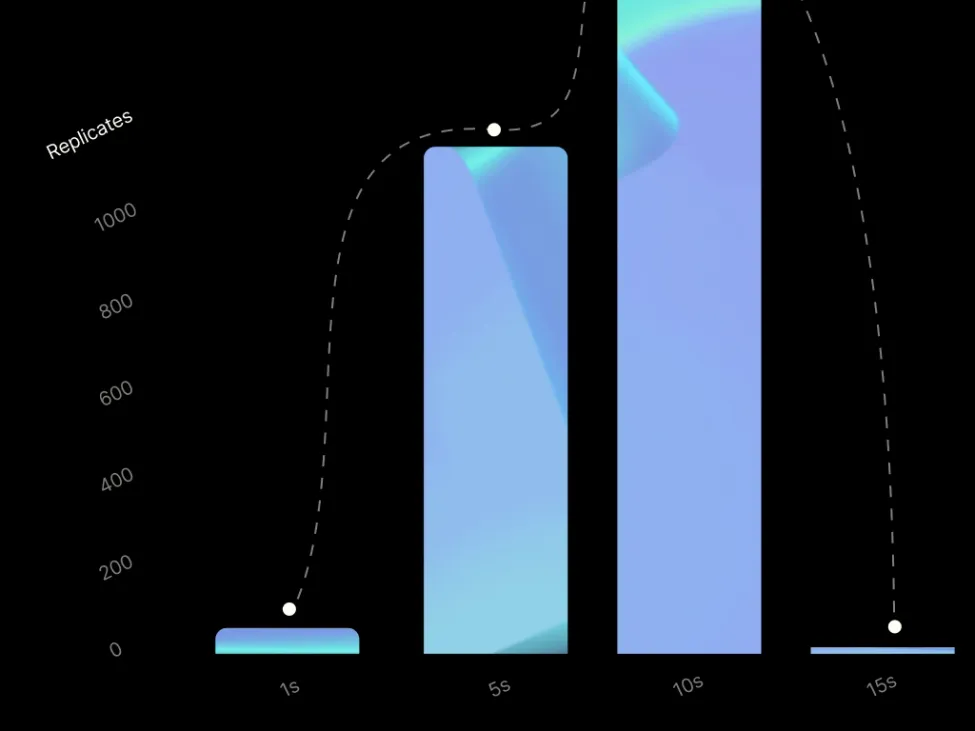
Telnyx infrastructure carries production voice and messaging traffic for enterprises globally. The same network that handles millions of calls powers your edge compute workloads. Tier-1 backbone, redundant routing, 24/7 NOC.
FEATURES
Durable state without the database overhead
The actor model handles locking, routing, and persistence for you. You write a class with methods. The platform does the rest.
Consistent per-entity state
Every request for the same entity routes to the same instance. Two requests for the same user, same cart, same call leg always hit the same state. The platform handles routing automatically, no coordination logic required.
No race conditions
Requests are handled one at a time within each actor. No locks, no mutexes, no transaction blocks. Race conditions are structurally impossible because the platform serializes access for you.
Survives restarts
Writes are flushed to persistent storage before the caller gets a response. If an actor restarts, it recovers its committed state automatically. You never lose acknowledged work.
Just write a class
Define a TypeScript class with methods for your entity logic. The platform handles routing, serialization, and persistence. No workflow definitions, no state machine DSL, no infrastructure config files.
Fast reads, safe recovery
State lives in memory for fast reads on the hot path, with durable storage for recovery. You get speed and safety without managing either one yourself.
Runs where your calls land
Actors run on the same edge infrastructure as Telnyx Functions, colocated with call termination. Lower latency for real-time voice and messaging workloads.

Functions
Functions call actors through a binding. A stateless function delegates stateful operations to an actor instance. No credentials, no network hop.
Learn more
CloudFS
Mount a POSIX filesystem on any host or container. Actors can read and write files that persist across restarts, with concurrent access from multiple instances.
Learn more
KV
Actors read and write KV for shared state. Session data written by a function is readable from an actor, and vice versa. One store, no sync step.
Learn more.webp?width=1568&format=webp)
Inference
Actors can invoke inference models for real-time AI workloads. Call state persists across turns, so the actor remembers conversation context between model calls.
Learn more