24 of 24 sites shown
Explore our network
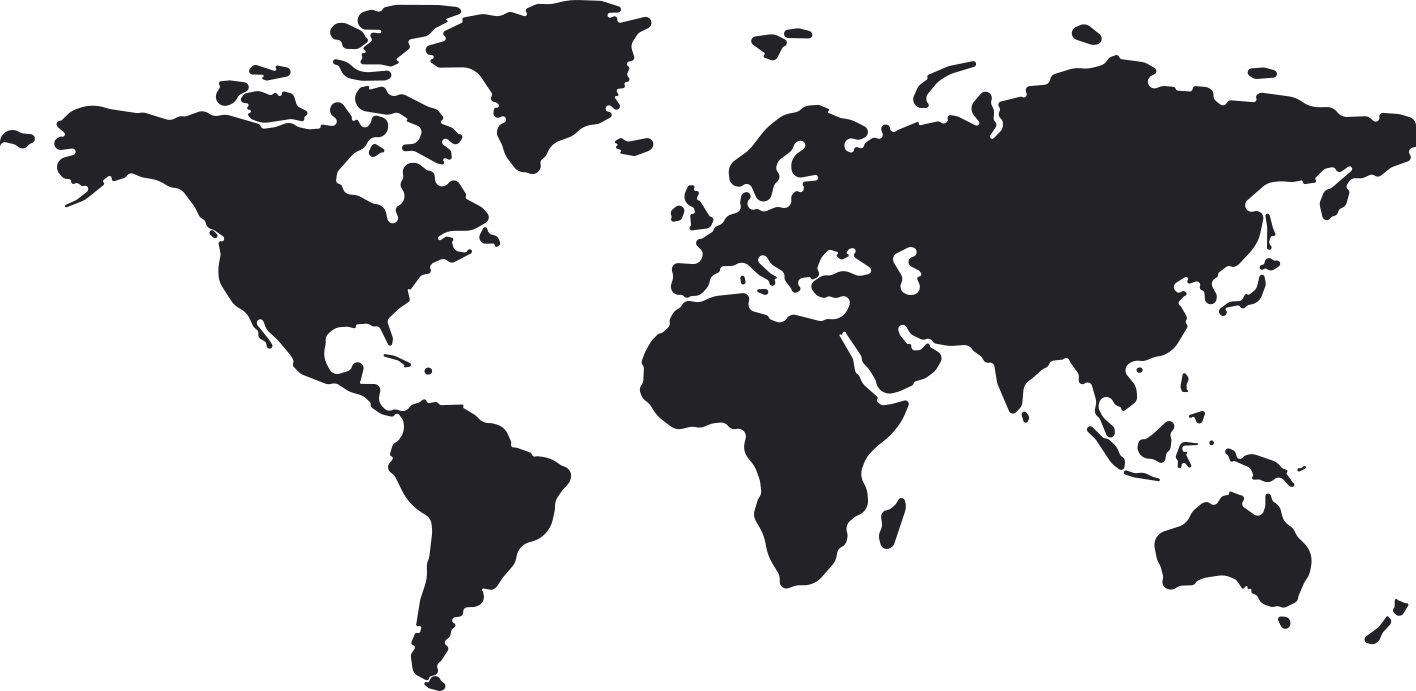
- Points of presence
- 25+
- Carrier licenses
- 45+
- Countries, local numbers
- 140+
- Round trip PoP to PoP
- <200ms
Physics
Latency is decided by distance, not by the model
Teams try to solve latency by picking a faster model, when in reality, the dominant cost is distance and vendor boundaries. Co-location of infrastructure and services puts compute in the same rack as the media plane, removing the boundaries. This is something that the application layer can't fix.
Sovereignty
Ownership enables sovereignty
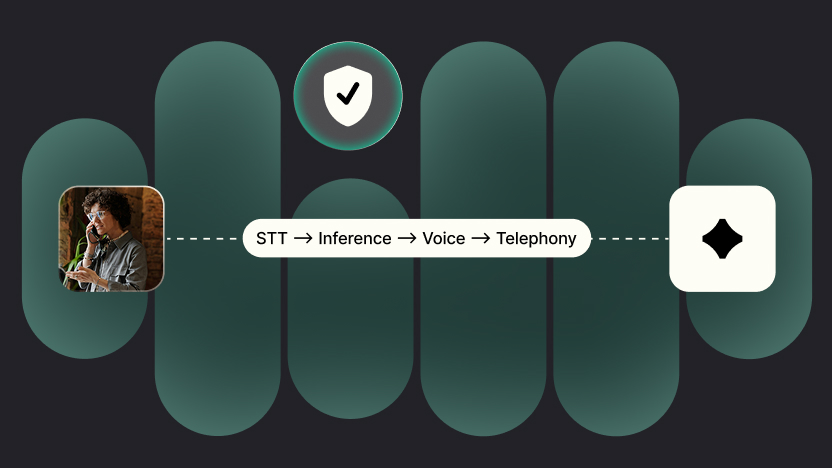
Data residency follows from the network architecture, not from configuration. We hold the telecom license. We operate the regulated infrastructure inside the region. In-region processing is not a feature toggle. One data boundary, one DPA, one audit surface across compute, storage, and telephony.
Only audio crosses this boundary
In region
Telnyx, licensed in country
One DPA, one vendor
Ownership
We own every layer an agent touches
Ownership is the load-bearing claim. Price, latency, reliability, identity, and sovereignty are consequences of it. A competitor can match a price. They cannot buy the structure that produced it.
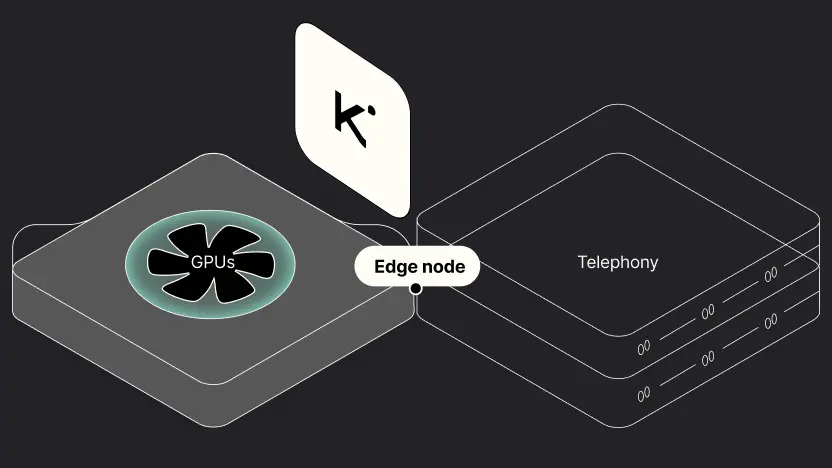
- Edge compute
Functions, KV, Stateful Actors, and Object Storage at the PoP. Inference on owned GPUs, colocated with the media plane.
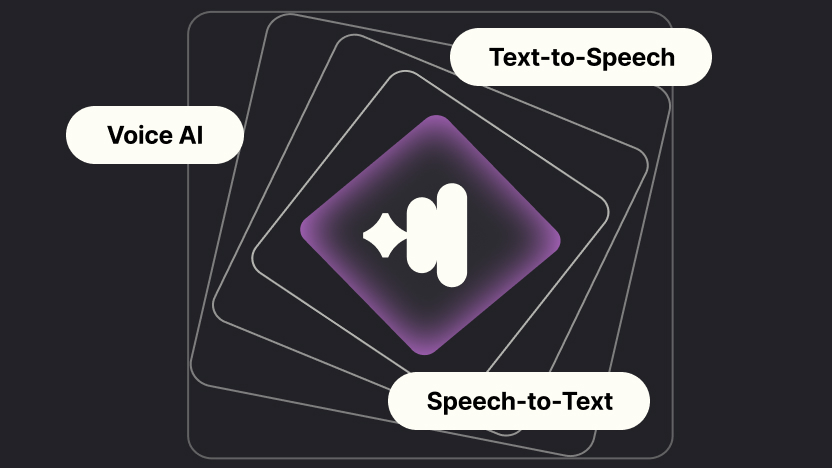
- Agent platform
Voice AI, STT, TTS, and orchestration on one control plane. Primitives that compose into agents, contact centers, and connected fleets.
- Global comms
Voice, messaging, and numbering on a licensed carrier network. We hold the telecom licence, not a reseller arrangement.

- Countries, SIP Trunking
- 140+
- SIP calls per month
- 500M+
- Messages per month
- 1.3B+
- API requests per month
- 750M+
Composition
Every primitive on one control plane
The same blocks compose into a voice agent, a contact centre, a connected fleet, global notifications, or a private in-region deployment. One API, one bill, one support team, one compliance boundary.
Ownership vs rented layers
Most platforms rent the network. We own it.
Every rented layer adds margin you pay, latency you feel, and a vendor boundary you debug. Here is what changes when one company owns the whole path.
Capability Rented/aggregated
Rented/aggregatedCarrier license, PSTN terminationOwned, 30+ countriesResold through aggregator
Fiber backbone between PoPsPrivately ownedPublic internet transit
GPU clusters colocated with media planeSame rack, same PoPSeparate cloud region, network hops
Edge compute at the PoPFunctions, KV, storage, actorsSeparate vendor, separate bill
STIR/SHAKEN attestationA-level, originating carrierB or C level, passthrough
In-region data sovereigntyBy architecture, not configConfigured per request, not guaranteed
Vendors in a single call path13 to 5
SLAs, bills, support teams11 per vendor
Agent-Native
The next buyer is an agent, and it can buy without us
The only claim in the framework no competitor contests. Agent-readable surfaces so coding agents can discover, price, and provision the stack without a human in the loop.
telnyx.com/llms.txtllms.txt
A versioned, machine-readable description of every product, primitive, and capability. Live and kept in sync with the platform.
telnyx.com/ai/pricing.json/ai/pricing.json
Pricing is a file, not a sales call. Versioned, programmatically consumable, and updated in real time.
api.telnyx.com/v2/mcpMCP Server
Model Context Protocol server for direct agent interaction. Provision, configure, and manage resources without a UI.
telnyx.com/agent-signup.mdagent-signup.md
Signup is an API, not a sales queue. An agent can create an account, provision a number, and place a first call programmatically.
x402.telnyx.comx402 Endpoint
Per-call payment in USDC. No account required. An agent can discover, price, and purchase a single call without a human.
developers.telnyx.comAgent-Readable Docs
Documentation structured for parsing by coding agents. OpenAPI specs, quickstarts, and reference material that an agent can consume directly.