Using Caller ID Management on your inbound calls can help you route and prioritize calls more quickly and better personalize conversations with customers. Your customers will appreciate the transparency that comes from using Caller ID on outbound calls, allowing you to garner their trust while improving brand recognition. With Telnyx, you can know who’s calling with inbound caller ID, and gain your customers’ trust by displaying your caller ID on outbound calls—all verified on CNAM and CID databases.
Carrier-grade porting, number provisioning and monitoring tools make migration to Telnyx a breeze and help you gain complete control over your telephony for fast ROI.
#1
Our teams have direct troubleshooting access to our fully-owned global infrastructure, so you get faster resolutions and better support.
24/7
In the Mission Control Portal, enable inbound caller ID name for any of your numbers, exposing the name of incoming callers to that number.
For a group of your numbers, set a caller ID number override so calls from all of those numbers appear to come from one number.
Add a caller ID name to any of your numbers, so your contacts know you’re calling.
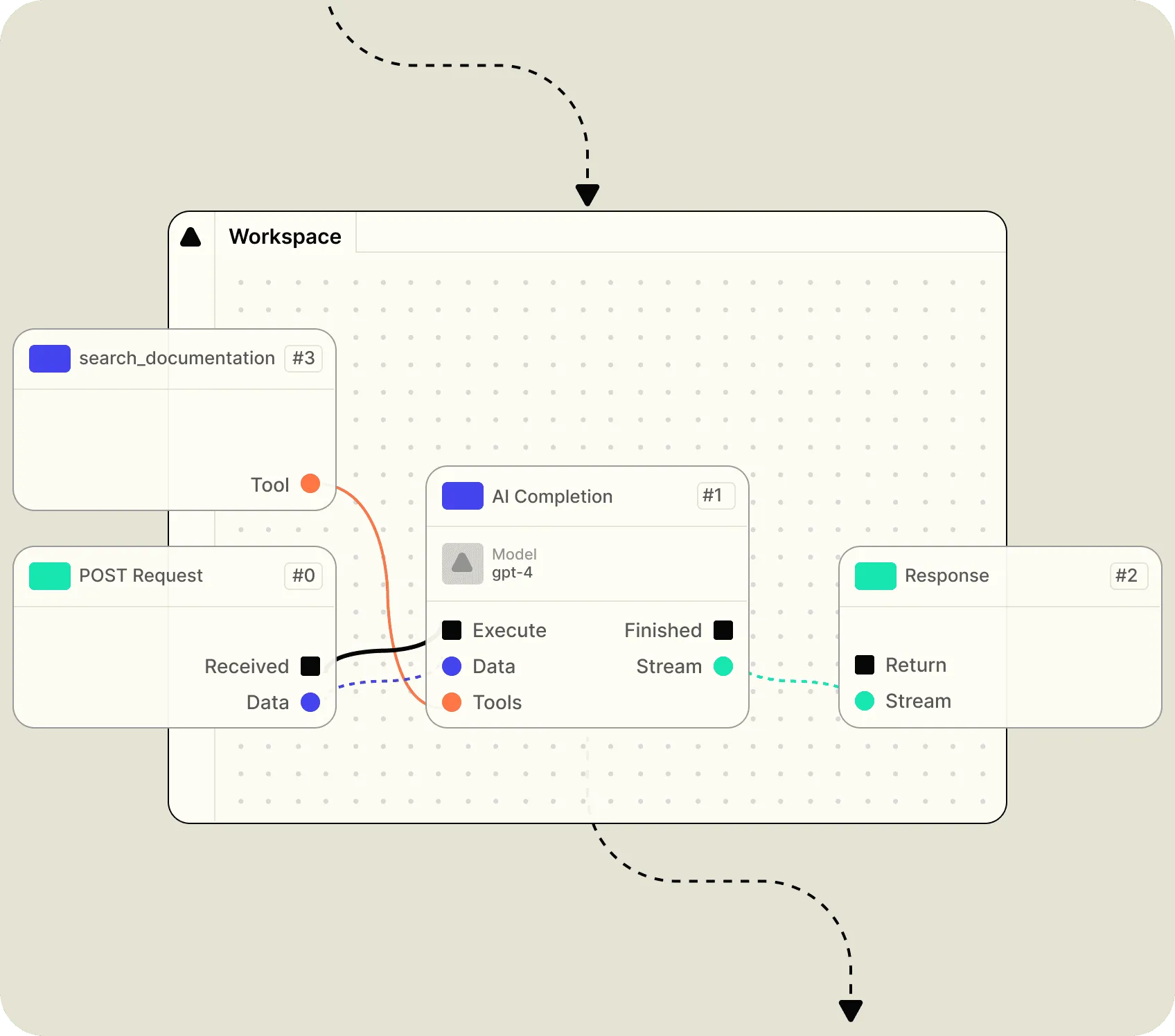
Configure, deploy, and scale global voice services through the Mission Control Portal or via API.

Port or provision local, mobile, and toll-free numbers in over 145 markets with Telnyx.
Enhance your customer experience with more control over your calls than any alternative.
Integrating real-time intelligence with your inbound sales is the fastest way to start generating value with number lookup.
Implement caller ID management in your calling with the help of Telnyx’s documentation.
Learn the differences between CID (Caller ID Number) and CNAM (Caller ID Name) and how to set it up with Telnyx.
Caller ID management refers to the processes and tools businesses use to handle and optimize their caller ID information for both inbound and outbound calls. It involves activities such as displaying caller IDs, routing calls, prioritizing callers, and integrating with CRM systems to provide personalized customer experiences.
Yes, there are regulations governing caller ID usage to protect consumers from fraudulent practices and ensure transparency. In the United States, the Federal Communications Commission (FCC) enforces rules against caller ID spoofing and requires telemarketers to display accurate caller ID information. Businesses should familiarize themselves with the relevant regulations in their country or region.
The FCC mandated the implementation of SHAKEN/STIR by service providers to enhance the security of the telephone network and restore trust in caller ID information.
SHAKEN stands for Signature-based Handling of Asserted information using toKENs, and STIR stands for Secure Telephony Identity Revisited. In essence, SHAKEN/STIR provides a way to "authenticate" the caller ID, making it harder for malicious parties to spoof their caller ID and deceive recipients. This helps reduce the prevalence of spam calls, robocalls, and other forms of telephone fraud.
Businesses can ensure customer privacy by adhering to data protection regulations, obtaining customer consent where necessary, and implementing strict security measures to protect caller ID information. Additionally, businesses should educate their staff on responsible caller ID usage and maintain transparent privacy policies to build customer trust.
Caller ID management offers several advantages for businesses, helping them optimize their inbound and outbound communication processes. Key advantages include:
Calling Line Identification (CLI) is a telecommunication service feature that displays the phone number of the person making an outbound call. CLI is often referred to as Caller ID or Caller Identification. When a call is made, the receiving party's phone displays the caller's phone number, allowing them to identify the caller before answering the call.
CLI helps users screen their incoming calls, decide whether to answer, and have some context about who is calling. For businesses, CLI can be used to route calls efficiently, offer personalized customer service, and improve overall communication.
CNAM (Caller ID Name) is a telecommunications feature that displays the caller's name or business name along with their phone number when a call is received. CNAM is an extension of Caller ID or Calling Line Identification (CLI) service, which typically only displays the caller's phone number. By including the caller's name, CNAM provides additional information to the recipient, helping them identify the caller more easily.
Local number override is used in outbound calling to increase the likelihood of a call being answered. Instead of the actual originating number—which may be from a different area code or location—local number override displays a local or familiar phone number on the recipient's caller ID. This feature can help businesses reach out to customers in specific geographic areas, as it can improve call answer rates and customer engagement.
However, it's essential to use local number override ethically. Deceiving or misleading recipients can lead to potential legal ramifications.
Number masking protects the privacy of both parties involved in a call by generating an intermediate or temporary virtual number to display instead of the caller's or recipient's real phone numbers. Number masking is commonly used in situations where two parties need to communicate but may not want to reveal their personal contact information.
After a virtual number is generated, it acts as a proxy and securely connects both parties while keeping their actual phone numbers hidden. Once the call is completed, the virtual number is usually deactivated and cannot be used to contact either party directly.
There are many considerations when evaluating APIs to enable caller ID management for your business. In general, the API should:
Telnyx is a global communications platform that provides voice, messaging, and connectivity services. Below are several features businesses using our Caller ID Management services can access when leveraging Telnyx for caller ID management to enhance their customer communication and improve overall service experience.