
Logistics and Transportation
Automate transportation with AI Assistants
Get ahead with AI assistants. Automate 24/7 customer communication, driver dispatch, updates, and cancellations across voice, SMS, WhatsApp, and email with Telnyx's fully integrated telephony AI stack built for high-volume transportation operations.




Full stack AI driver & rider communication
Telnyx AI Assistants eliminate manual busywork with intelligent AI-powered voice, SMS, WhatsApp and email automation designed for logistics, transportation, and mobility platforms.
Built for high-volume scenarios, Telnyx AI Assistants instantly respond to drivers, riders, dispatchers, and customers, providing proactive updates and escalating only when human intervention is essential. No missed calls, no ignored texts. Just smarter, faster, automated communication that keeps everything moving smoothly.

Voice-enabled dispatch automation
Streamline dispatch communication with AI voice agents that manage routing, relay instructions, and update drivers instantly without manual intervention.

Delivery scheduling and rescheduling
Use voice AI to confirm, reschedule, and follow up on delivery appointments. Improve logistics efficiency, reduce failed deliveries, and enhance the customer experience.

Driver check-ins and shipment updates
Automate driver check-in calls and shipment status updates with voice AI. Reduce dispatcher workload, sync data with your TMS, and improve fleet coordination in real time.

After hours and overflow call handling
Automate logistics support calls when your team is offline or overloaded. Use voice AI to handle dispatch, issue resolution, and customer service 24/7 without added staff.
WhatsApp delivery updates
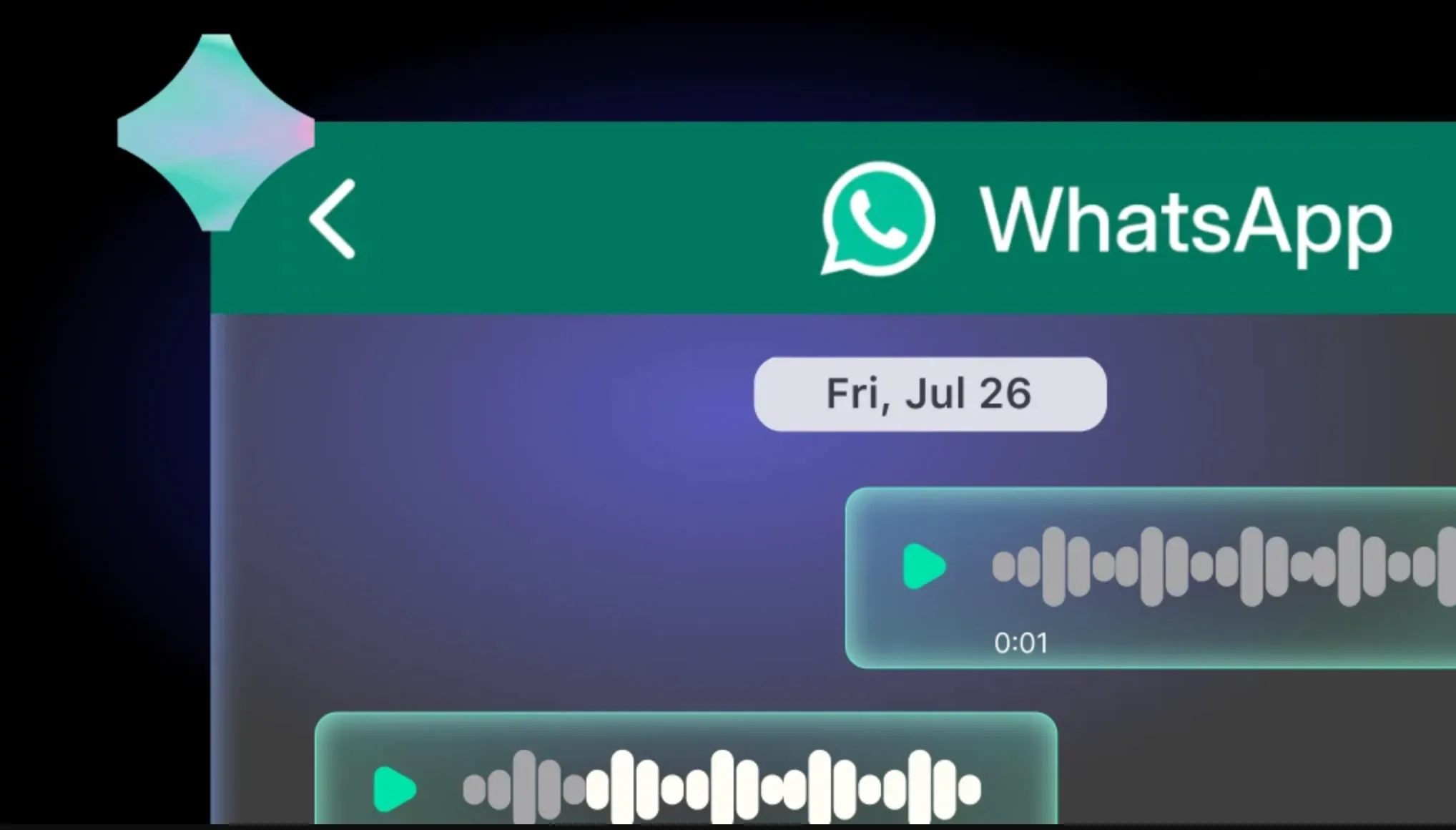
Send real-time delivery status, ETA changes, and driver comms via WhatsApp. Customers and drivers stay informed on the channel they already use, without additional app installs.
Email shipping documents and customs notifications
Automate bills of lading, customs forms, and delivery confirmations via Email API. Transactional email on the same platform as your voice and messaging operations.
WHY TELNYX?
The leading voice AI platform purpose-built for logistics
Logistics and transportation companies choose Telnyx because we combine carrier-grade reliability with AI performance. Automate driver check-ins, dispatch, delivery updates, and support calls on a private global network built for low latency, 24/7 uptime, and seamless integration with your logistics systems.
Cost-effective AI agents
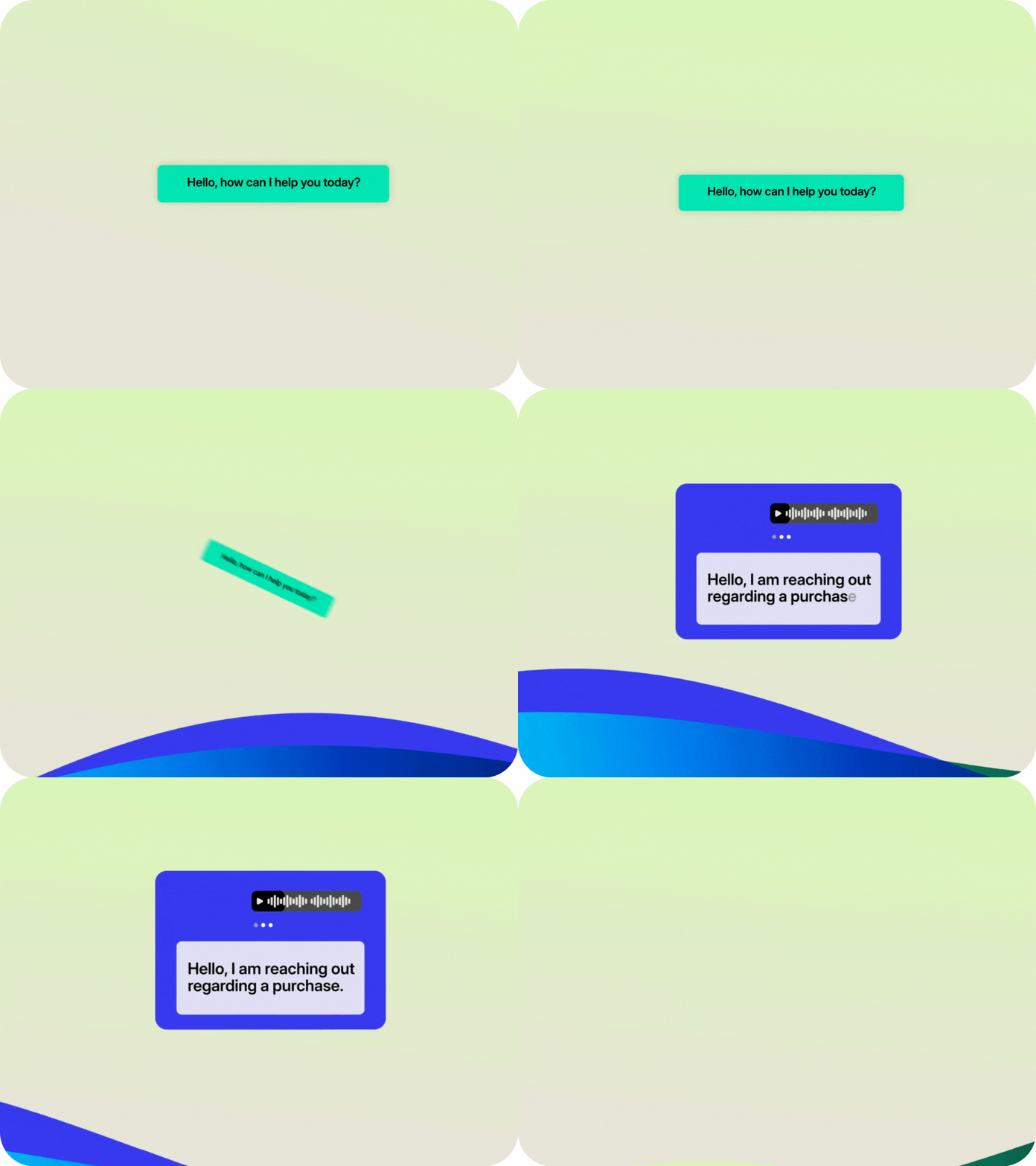
Run AI voice agents at scale without breaking the bank on Telnyx’s private global network and GPU. Enjoy in-house STT engine at a fraction of what hyperscalers charge.

Carrier-grade reliability and security
We own the network, the infrastructure, and the delivery so your voice agents stay online and secured from end-to-end. No outages, no dropped audio, no question marks. We maintain strict adherence to all international and regional data privacy regulations and standards, including GDPR and CCPA.

Scalable infrastructure
Immediately handle surges in claims calls, fraud alerts, or agent traffic without quality drops or provisioning delays.

Context-rich conversations
Give your Voice AI Agent access to custom tools and over 30 pre-built integrations across 13 categories, including Salesforce, HubSpot, ServiceNow, Calendly, Jira, and more. Pull customer data into calls, trigger actions in real time, and personalize every conversation with live context.

Global reach, local presence
Launch voice experiences in 140+ countries with localized numbers, low-latency routing, and multilingual capabilities baked in.

24/7 Expert Support
Get unmatched support via our slack channel plus dedicated solutions engineers who can help you build, architect, troubleshoot, and optimize at every step
PRODUCTS
The products that power logistics AI
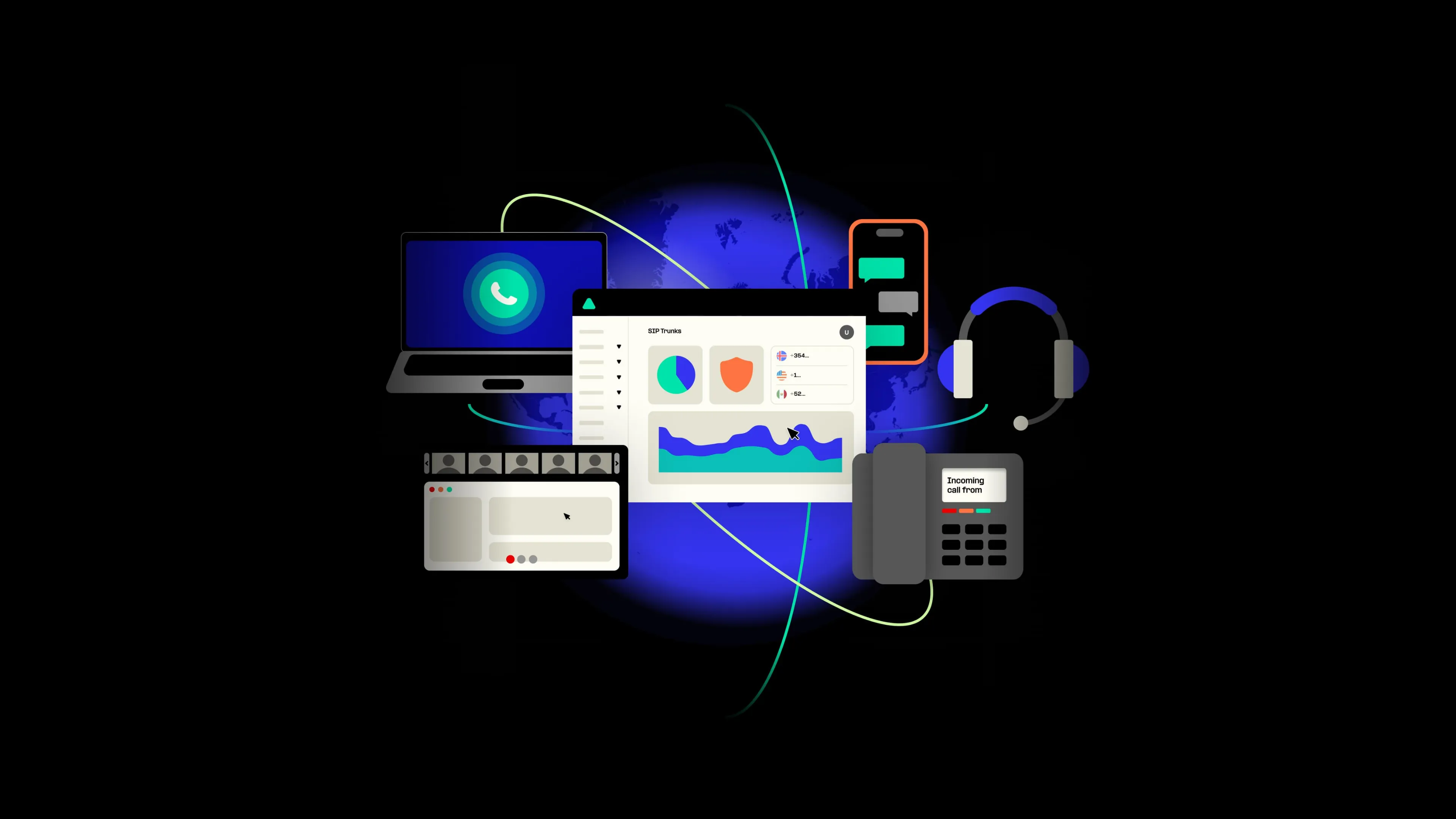
Voice AI, SIP trunking, SMS, WhatsApp, and Email on one private network. Same API key, same infrastructure, same bill.

.png?width=1463&format=webp)
Resources
How conversational AI is changing banking
Banks today are expected to deliver fast, personalized, and secure experiences—anytime, anywhere. To meet those demands, financial institutions are turning to conversational AI
Developer documentation for no-code voice assistant
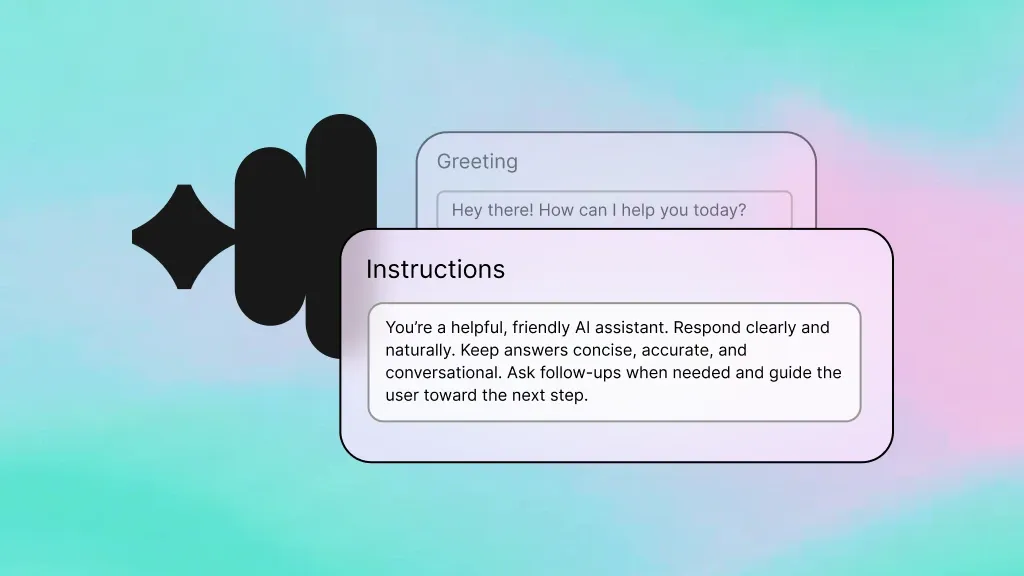
Dive into the technical docs behind Telnyx’s no-code assistant platform and explore how to customize logic, prompts, and call handling.


